

☀️ Hey dear subscriber,
Here in Europe summer is over, I had some nice holiday experiences with my loved ones, I hope you also had the chance to recharge a bit. Here is the usual “summer double issue” of the newsletter.
This issue is about
Getting inspired by some features of an exhibition of the Hungarian Museum of Transport
The newest sketch: Typography Rules — Part 1
15 design resources I loved the most in July & August
🚊 Getting inspired by an exhibition
Just like last summer, during our holiday with my family, we had the chance to visit some museums, exhibitions. One of these was the „Fasten your seatbelts!” exhibition organized by the Hungarian Museum of Transport.
Exhibitions are UX in physical space. Someone made hundreds of decisions about how you can move through that space.
When I visit a museum, I always “switch on” my designer eye, and try to notice the little design decisions (the signage, the lighting etc.). And then I ask “why” many-many times. I also think about how suboptimal parts could be improved.
(Read more about getting inspired by the real world around you in this issue)
These are some of the things I noticed and documented durint the „Fasten your seatbelts!” exhibition:
Control placement on a train’s control panel - e.g. the emergency brake is placed within the driver’s immediate reach (upper-left corner)
Wayfinding at an exhibition is like navigation design, we have the same questions: where am I, where can I go, how do I get back? (upper-right corner)
Information hierarchy on the interpretive panel - e.g. the icon row gives you something to take away in three seconds if you don’t feel like reading two columns (bottom-left corner)
Ending on a high note: this smiling gas pump is the last thing my kids encountered, and they loved it - related concepts: peak-end rule (a cognitive bias where people tend to judge an experience based on how they felt at its most intense point (the peak) and at the end of it, rather than the total sum or average of every moment); pareidolia (your brain seeing a face in a thing that isn’t one) (bottom-right corner)
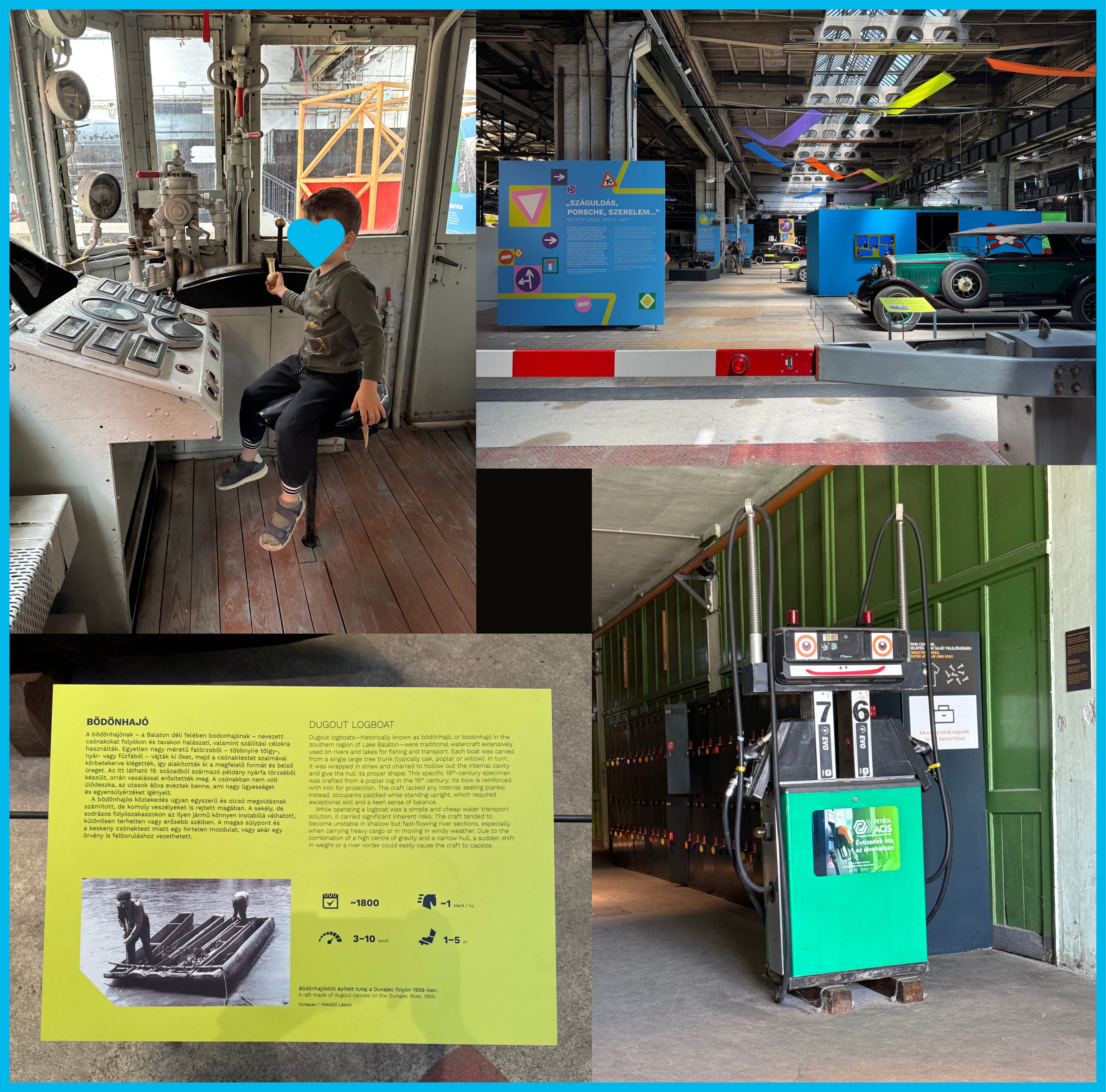
Next time you visit a museum (or any other physical space), try to observe some design solutions, document them, and I also encourage you to share your findings! (I talk about this activity in greater detail in the How to train your designer eye course.)
✏️ Typography Rules — Part 1
You make dozens of typographic decisions on every screen you design, and many of them don’t need deciding from scratch. Here are some rules you can safely use as a starting point.
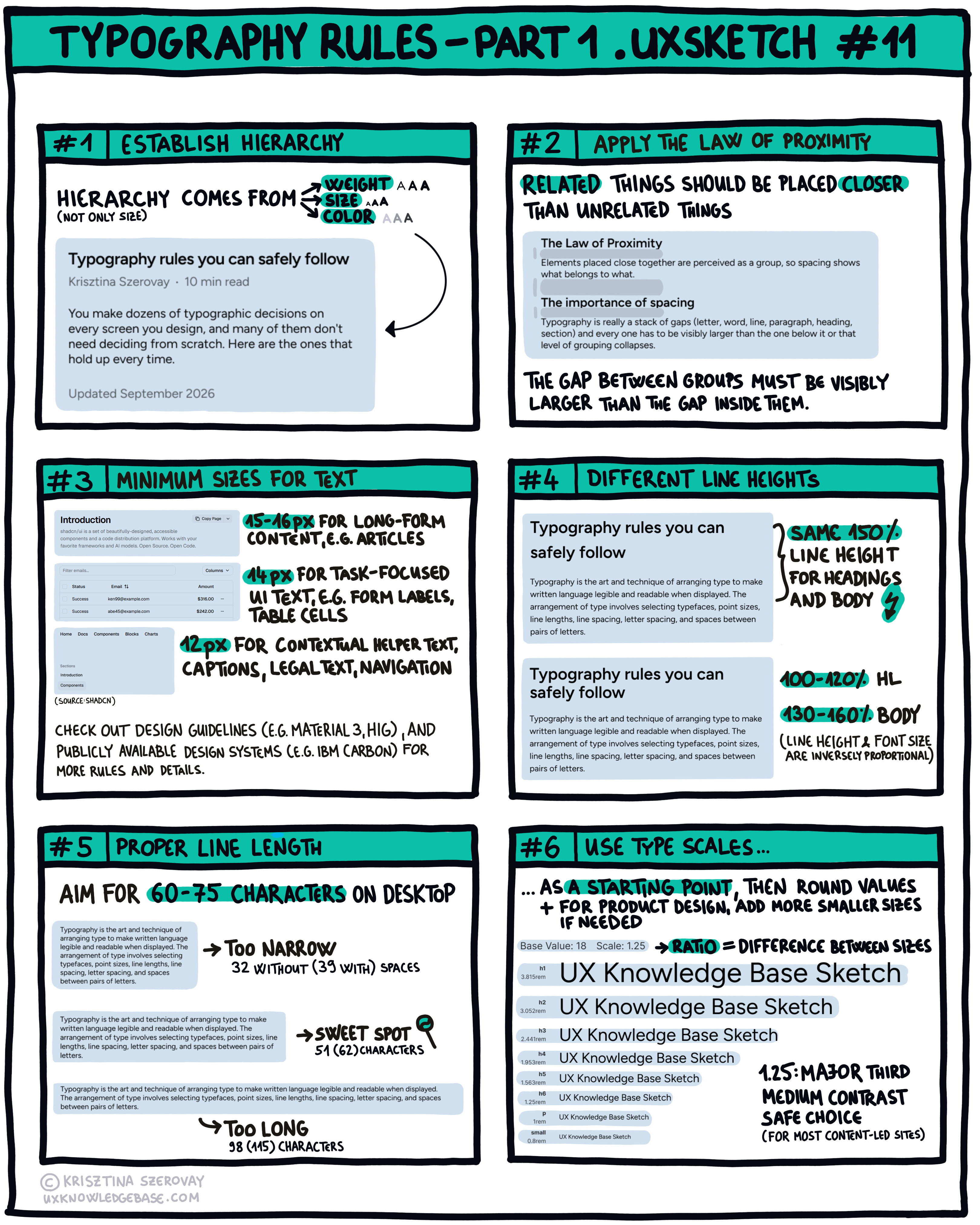
As always, I’m going to publish a more detailed article, you’ll find it here soon.
✏️ Favorite resources
Here are my favorite discoveries of July & August, 2026:
#1 Design bookmarks by Anthony Hobday
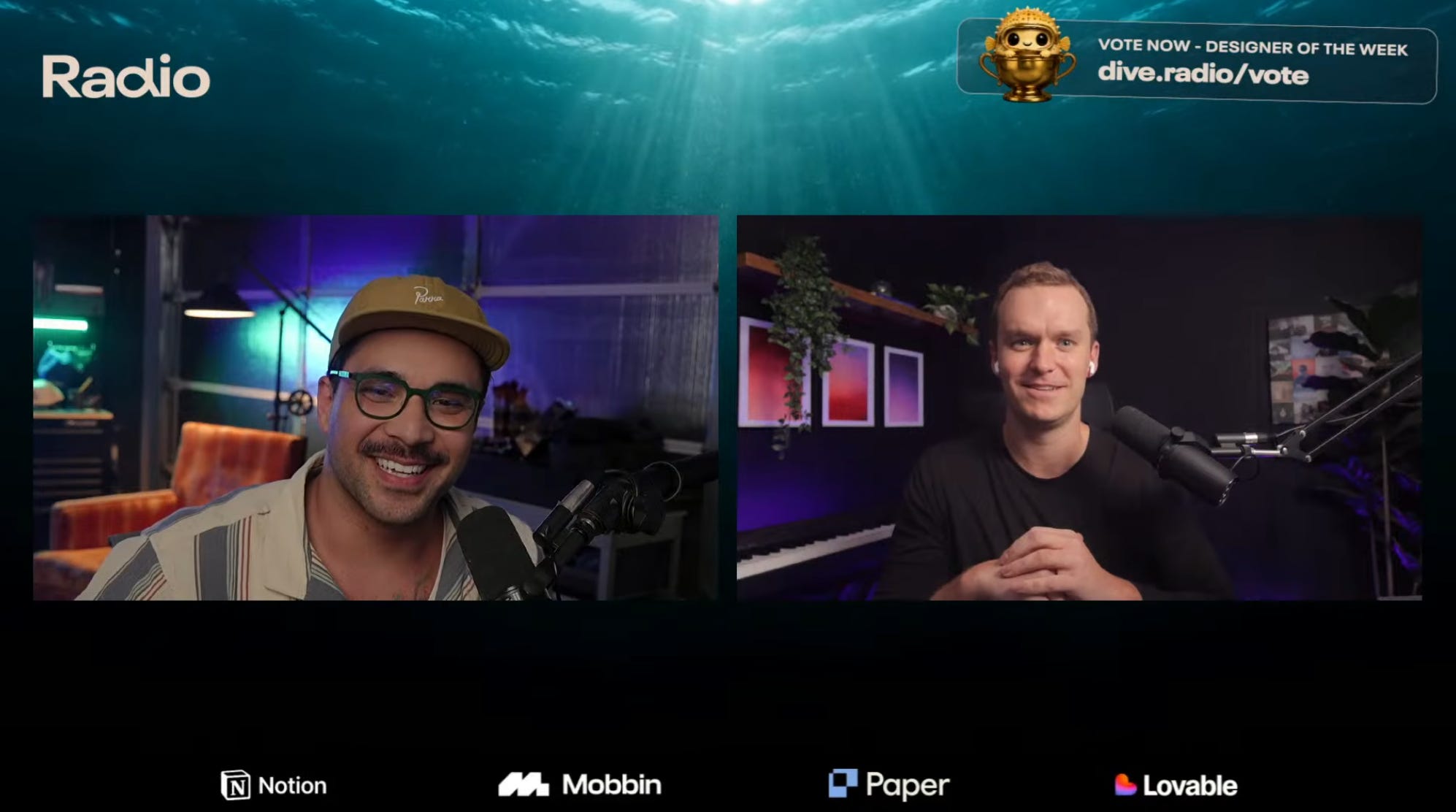
#2 Dive Radio by Ridd and Tommy Geoco
The best design show on the planet :) E.g. check out the latest episode: How Designers Are Getting Hired in 2026
#3 AI for Designers and Engineers by Emil Kowalski
A course that teaches you how to use AI to help you build interfaces that people want to use. I enrolled at the end of July, it has been a great experience so far (it is in early access).
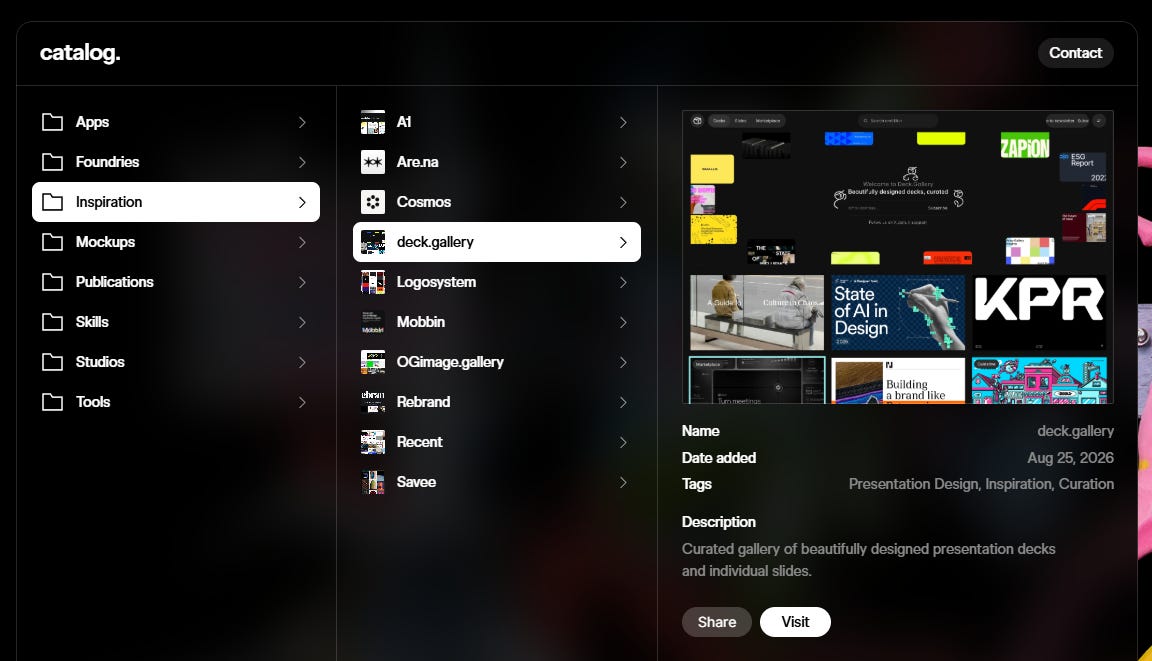
#4 Catalog by Fons Mans / Studio Offgrid
An ever-growing library of design resources.
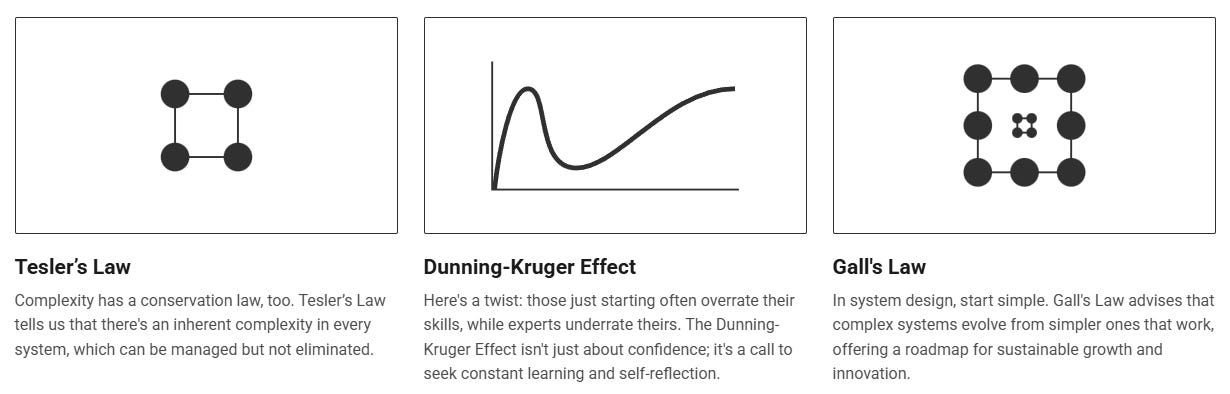
#5 Laws of Software Engineering by Tech World With Milan Newsletter
A collection of principles and patterns that shape software systems, teams, and decisions (currently 56 laws)
Yaron Schoen also has a nice collection of laws here.
#6 Information architecture is the foundation AI is starving for by Patrick Neeman
I love this article so much. Information architecture is one of my favorite topics, and it’s more important now than ever.
”Organization schemes, labeling, and navigation aren’t decoration on top of content; they are the difference between a store where the correct answer is findable and a store where it sits buried next to four contradictory drafts of itself. The model can’t reach past the structure you gave it. If you never gave it one, it reaches for whatever is nearest.”
A related piece by Jorge Arango: What’s the Purpose of Information Architecture?
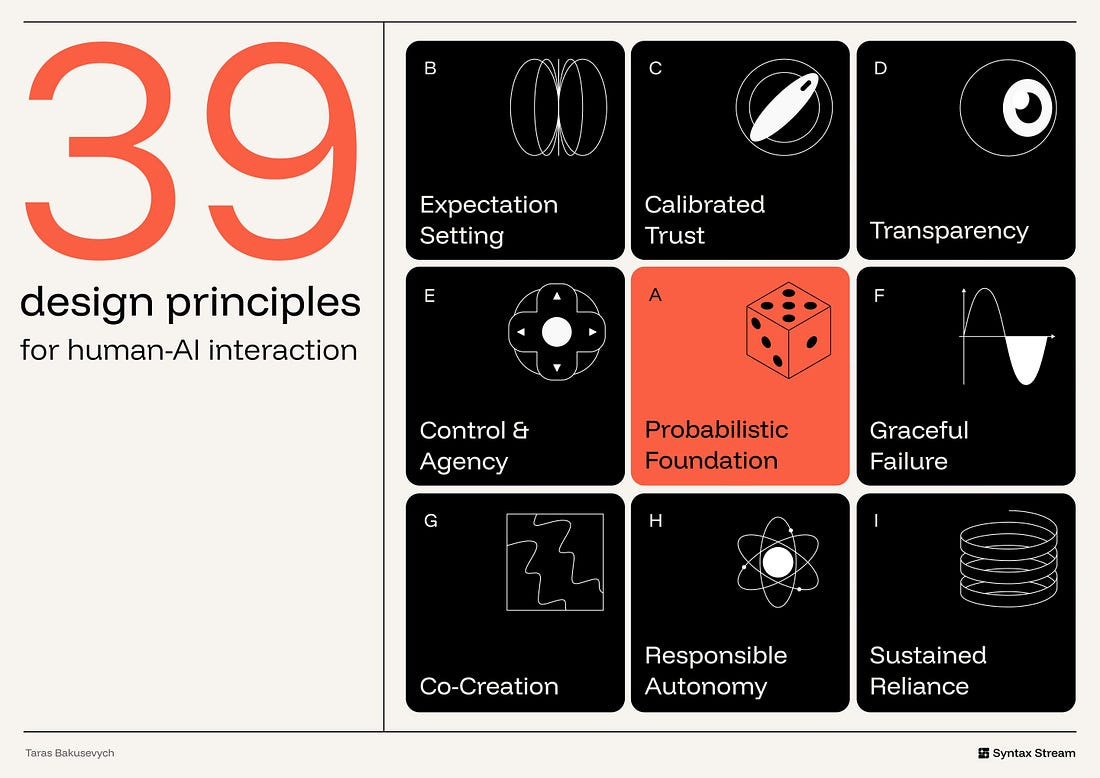
#7 39 principles for designing human-AI interaction by Taras Bakusevych
An applied framework for designing AI interfaces that support appropriate reliance, user control, transparency, and responsible autonomy.
#8 How to Avoid AI Slop in Vibe-Coded Landing Pages by Meng To
”The problem is not just one bad model. It is lazy selected states, oversized eyebrows, random status pills, glow lights, purple gradients, generic illustrations, default fonts, weak pricing sections, and visuals that do not match the product.” (His related Linkedin post)
#9 The Museum of the Human Web by Parallel
”For over fifty years, from ARPANET to the eve of ChatGPT, the internet was built the old-fashioned way: by human beings working with nothing but other human beings’ work to build on. No co-pilots. No synthetic minds. Just vision, stubbornness, and the trembling hand of a species figuring it out in real time.
That era is ending now. Not because the web is dying, but because how we make things is fundamentally changing. Creation is becoming a collaboration with machines.”
A related resource: Rip.so - the digital graveyard
#10 Restaurant Menu History by Stephen Lurie
What do America’s earliest restaurant menus teach us about America?
#11 Design / AI Workflows by Carmen Rincon
#12 Master Gorgeous UI Design Course by Pablo Stanley & his team
Now you can get the course for free :)
#13 The last product design tool by Mariusz Cieśla
”Draw four screens, connect them, cross one out, redo the whole thing in minutes. There is very little ceremony between thinking and seeing the thought on a canvas. It’s the closest experience to pen and paper that you’re going to get. Heck, you might even be able to have the agent read pen and paper off of your webcam.”
#14 A side project is the fastest way to upskill in the age of AI by Phil Morton
”I think a lot of people get intimidated by this stuff: I’m not a developer, this is too technical. It is slower to get started because you have so many concepts to learn, but every time you get stuck, you can just ask AI what to do next.”
A related resource: How to become an AI Designer by Maya Brennan
#15 History of Software Design by Rauno (coming soon)
Btw. I also love Rauno’s field notes, check them out here.
+1 As a mother of two little ones myself, I found this post by Emily Anderson to be one of the most relatable things I’ve ever read. <3
🔥 Deals & recommended products
My courses on Udemy
My free (pay-what-you-want) books
Recommended design courses
Supercharge Design All access by Andrija Prelec
Figma Academy by Ridd (use the code SKETCHINGFORUX to get $100 off)
Other deals
Mobbin is an essential part of my toolset, it is a growing library of 1,428 apps, 621,500+ screens. Join with my link to support me with a couple of dollars, I’d really appreciate it!
☕ You can also support me by buying a coffee on ko-fi.com.
Thanks for reading my newsletter, I hope you enjoyed it! Please let me know if you have any feedback!
Krisztina