

Hey dear subscriber,
This issue is about
The newest sketch: designing escape hatches
10 + 2 design resources I loved the most in May
I want to give a shout-out to an awesome app created by a designer I really appreciate: Bapum by Bence Bogár. The app provides a heartbeat-like vibration through the phone’s Taptic Engine to calm your nervous system (it is completely free and requires an iPhone)
✏️ Designing Escape Hatches
An escape hatch is an easily recognizable way for users to get out of an unwanted state, flow, or action, e.g. cancel a task, dismiss a dialog, or reach a human when an AI is acting on its own. Thanks to escape hatches, users have the freedom to fail and the confidence to explore, and that exploration is how they learn your product’s features.
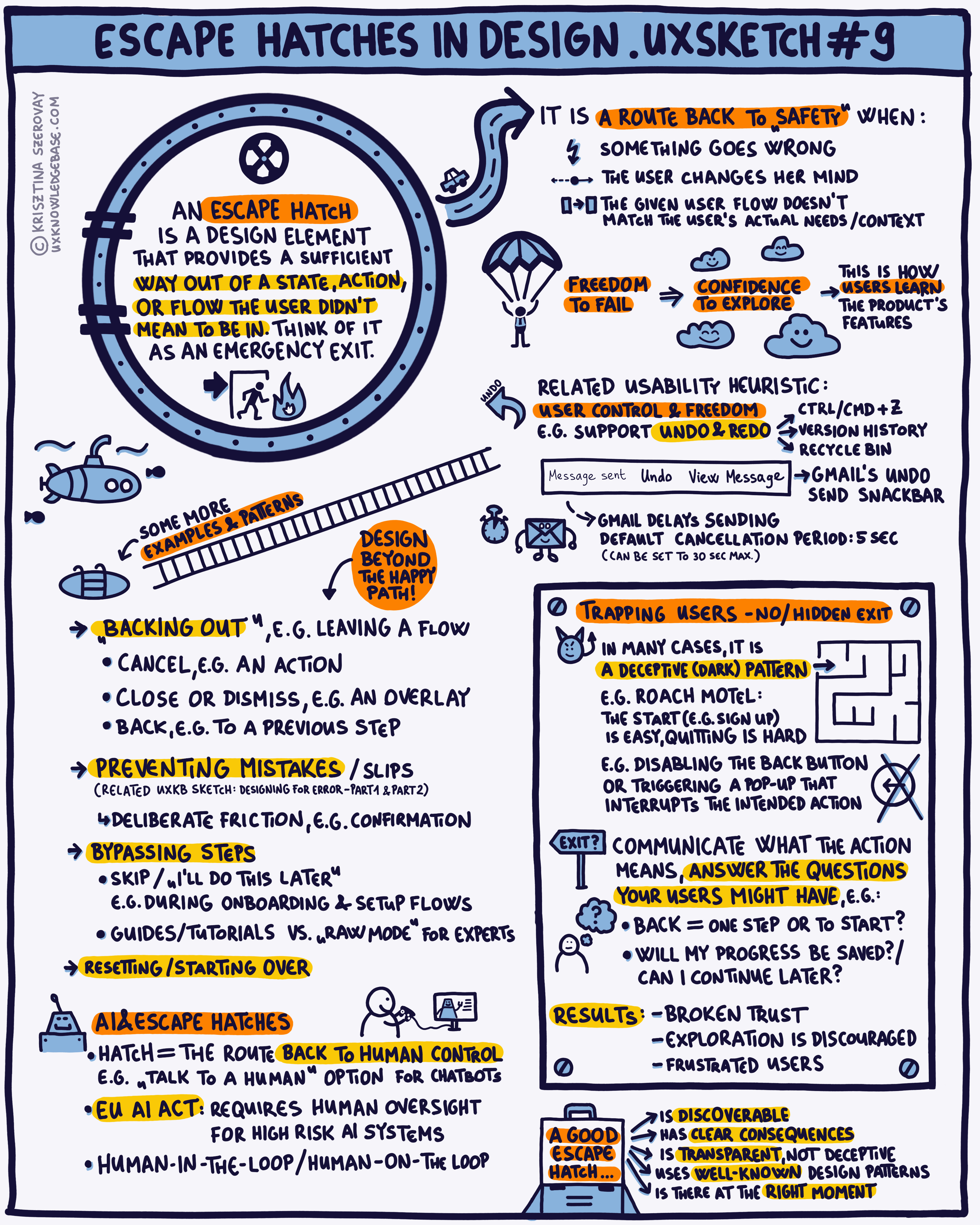
As always, I’m going to publish a more detailed article, you’ll find it here soon.
✏️ Favorite resources
Here are my favorite discoveries of May, 2026:
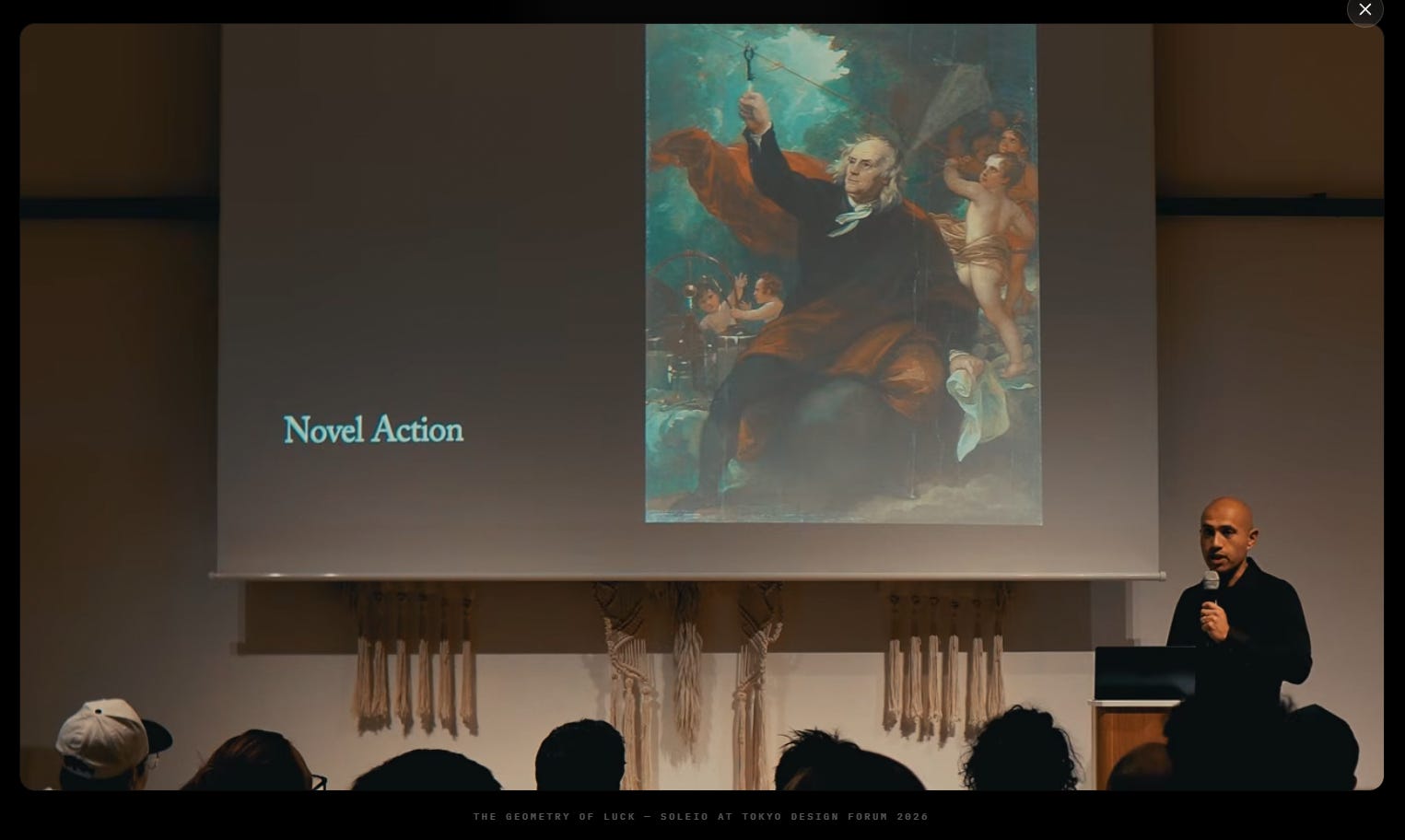
#1 The Geometry of Luck by Soleio
”The most-clicked piece of software ever designed is a thumbs-up. Soleio designed it. He was twenty-three at the time, one of the first two product designers at Facebook, working on the version of News Feed that placed a Like button next to every story on Earth. The button shipped. A trillion thumbs followed.”
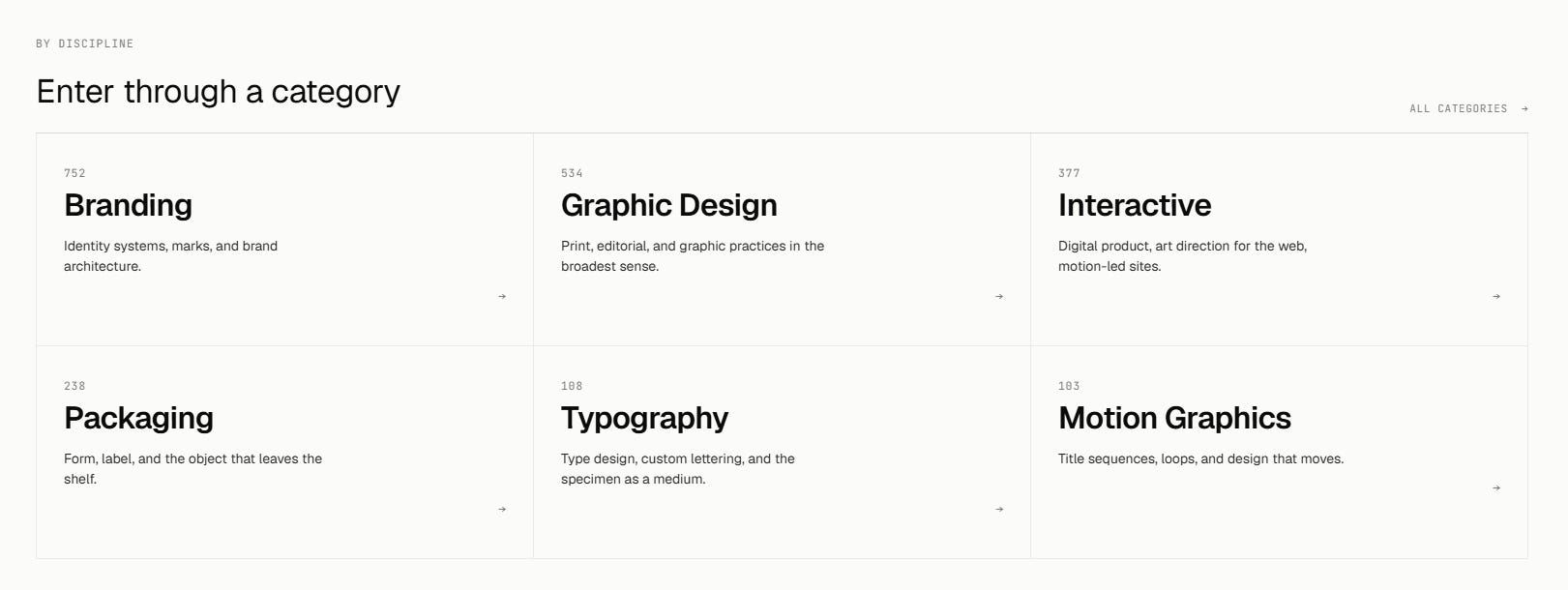
#2 Just a Design List - 993 design studios
”A working index of studios whose practice the editor finds worth returning to.”
#3 The art of noticing by The Mind Palace
”What we pay attention to opens up. Stare at an ant for an hour and you’ll be enthralled. Dive deep into a subject and you’ll become obsessed. Really tune into a conversation and it will expand. Look around your world and you’ll notice beauty and detail you walked by a thousand times before.”
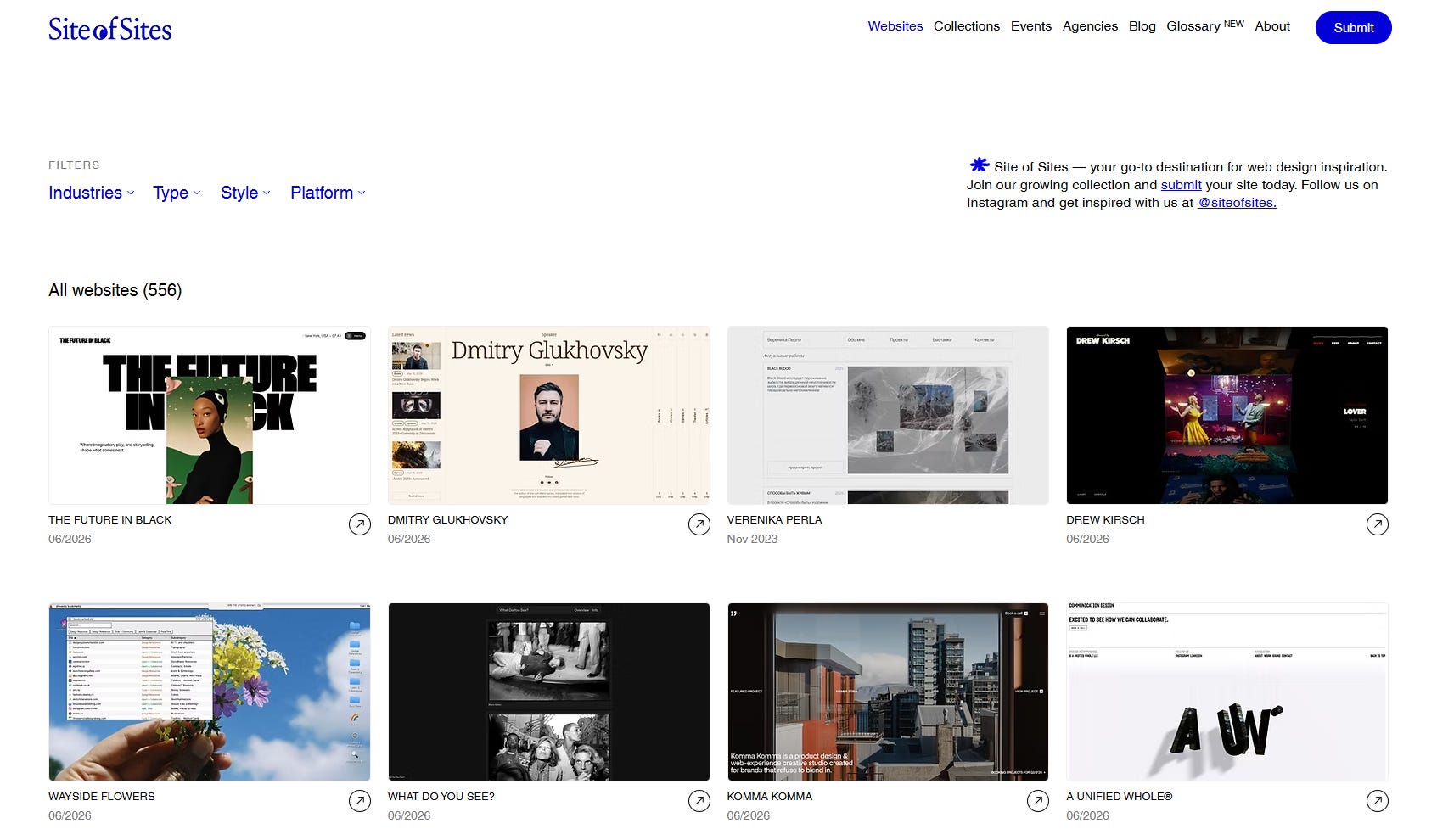
#4 Site of Sites
”Your go-to destination for web design inspiration.”
#5 Four Levels Of Customer Understanding by Vitaly Friedman
”What people say, feel, think, and do are often very different things. To understand the underlying reasons for user behavior, it helps to look beyond the surface and explore hidden motivations, root causes, and the different layers of reality that shape how people act.”
#6 How to be inspired without copying by JA Westenberg
”If you want to be inspired without copying, you have to spend time inside the work that moves you. Skimming it doesn’t count, and neither does gesturing at it on a podcast. You have to sit with it long enough to map its decisions, identify its constraints, and understand what got rejected as well as much as what got kept. […] The writer who reads only writers, the designer who looks only at design, the founder who studies only founders, is starving the engine.”
If you are interested in this aspect, check out my course, How to train your designer eye.
#7 How The Heck Does Shazam Work? by Shri Khalpada
”Your phone captures sound as a waveform using a very thin membrane. This waveform is not useful for song identification, so a process called the Fast Fourier Transform is used to convert it into a three-dimensional representation of sound called a spectrogram.”
#8 Designing for AI means designing like it’s 1999 by Patrick Neeman
”We have extraordinary capability and almost no shared conventions for handing it to people — no settled patterns, no agreed vocabulary (ambient, really? They’re just fancy Cron Jobs), half the tooling still being written as we use it, literally by the technology itself. The tools are remarkable; the ground under them is soft, shifting like a tech quicksand.”
#9 WCAG in Plain English
”Making the Web Content Accessibility Guidelines (WCAG) easy to understand, one success criterion at a time.”
#10 4 tips for more balanced journal pages by Zsofi Lang
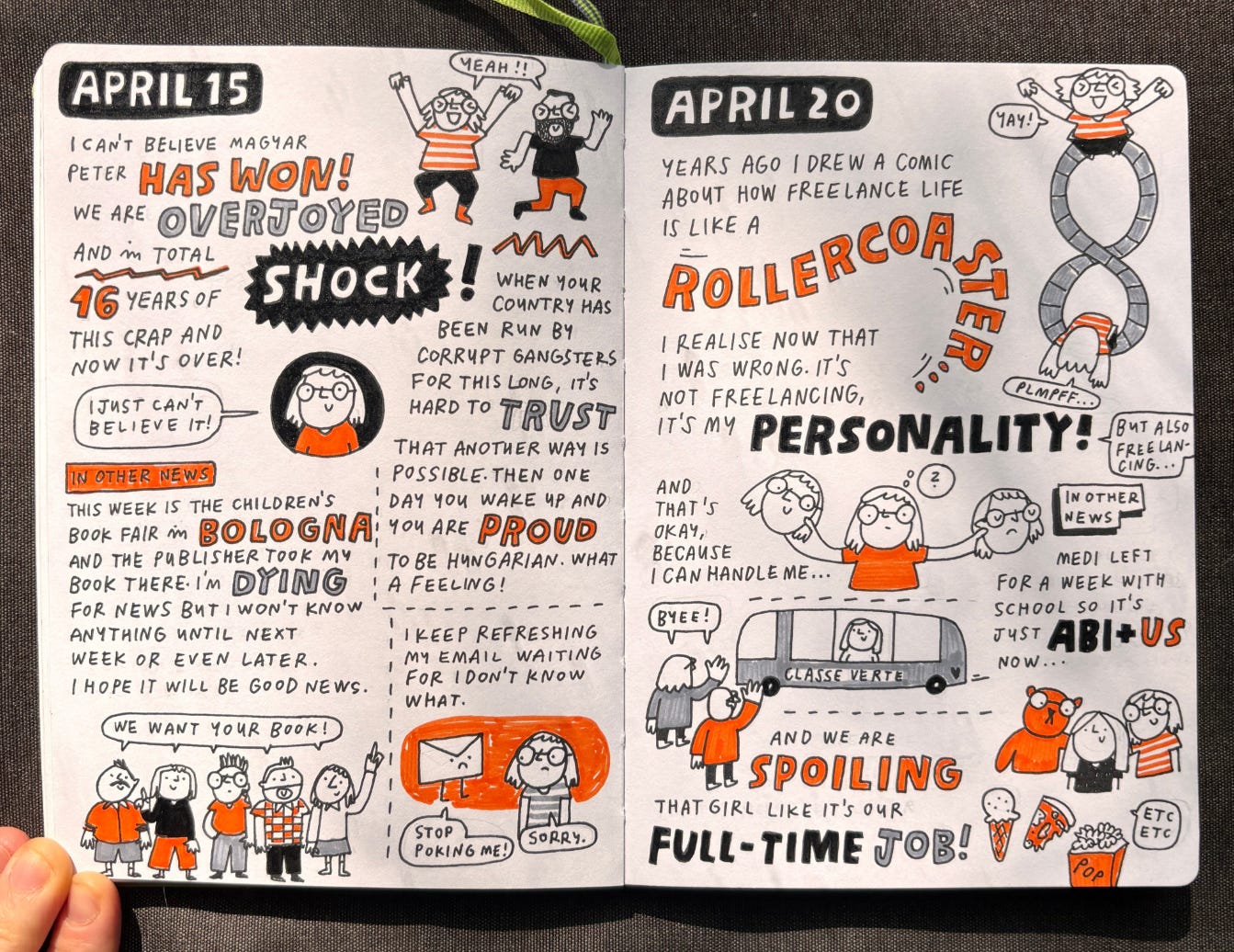
Zsofi’s newsletter is awesome, if you are into sketching / visual thinking, follow her! Some more issues I loved:
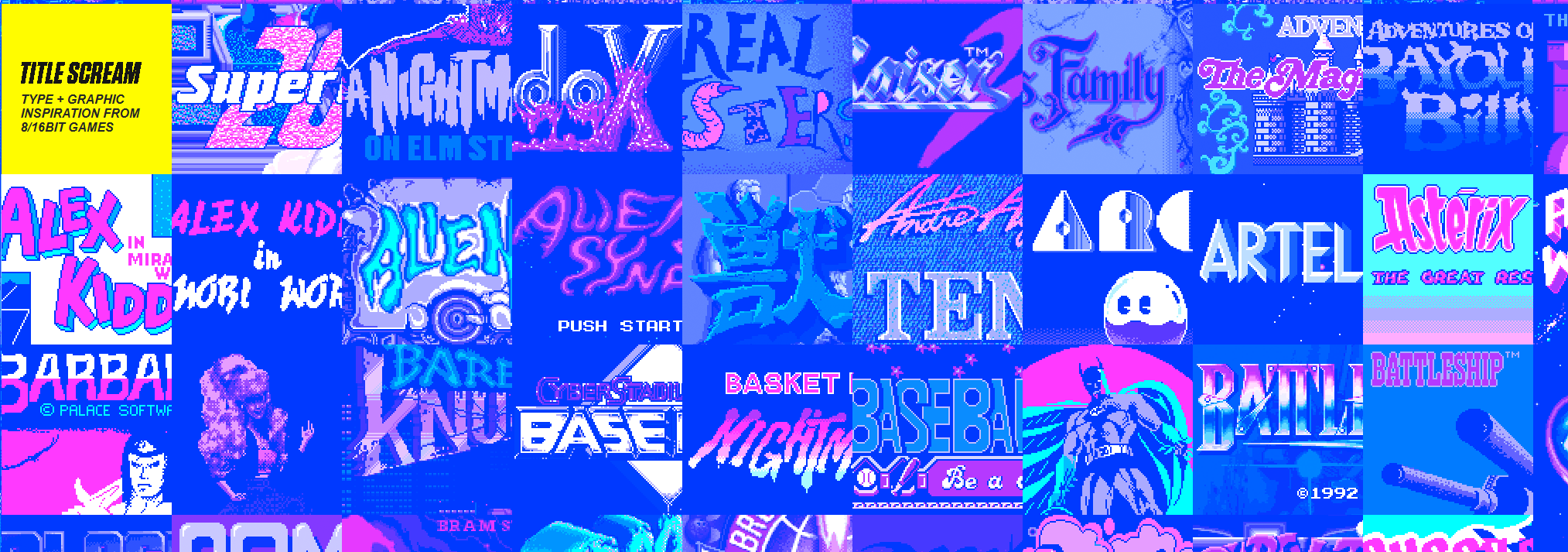
+1 Title Scream
Type and graphic inspiration from 8/16 bit games
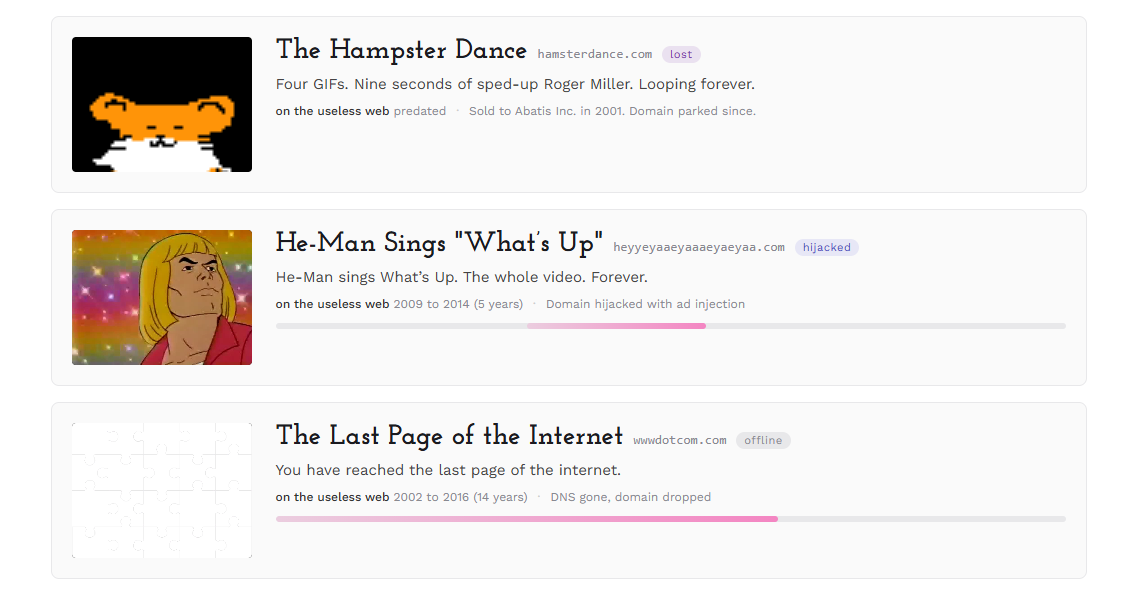
+2 The Sites We Lost
Thankfully, my parents were early adopters of the Internet here in Hungary, so I got to experience it in its early days (from 1995). I love Internet nostalgia, and I’ve been planning to create something similar: a site that captures those early, defining Internet memories.
🔥 Deals & recommended products
My courses on Udemy
My free (pay-what-you-want) books
Recommended design courses
Supercharge Design All access by Andrija Prelec
Master Gorgeous UI Design Course by Pablo Stanley & his team
Figma Academy by Ridd (use the code SKETCHINGFORUX to get $100 off)
Other deals
Mobbin 2.0 is here with many new exciting features like flows, advanced search and an all-new library! Join with my link to support me with a couple of dollars, I’d really appreciate it!
☕ You can also support me by buying a coffee on ko-fi.com.
Thanks for reading my newsletter, I hope you enjoyed it! Please let me know if you have any feedback!
Krisztina